Root Canal or Dental Emergency Treatment: Which Do You Need?
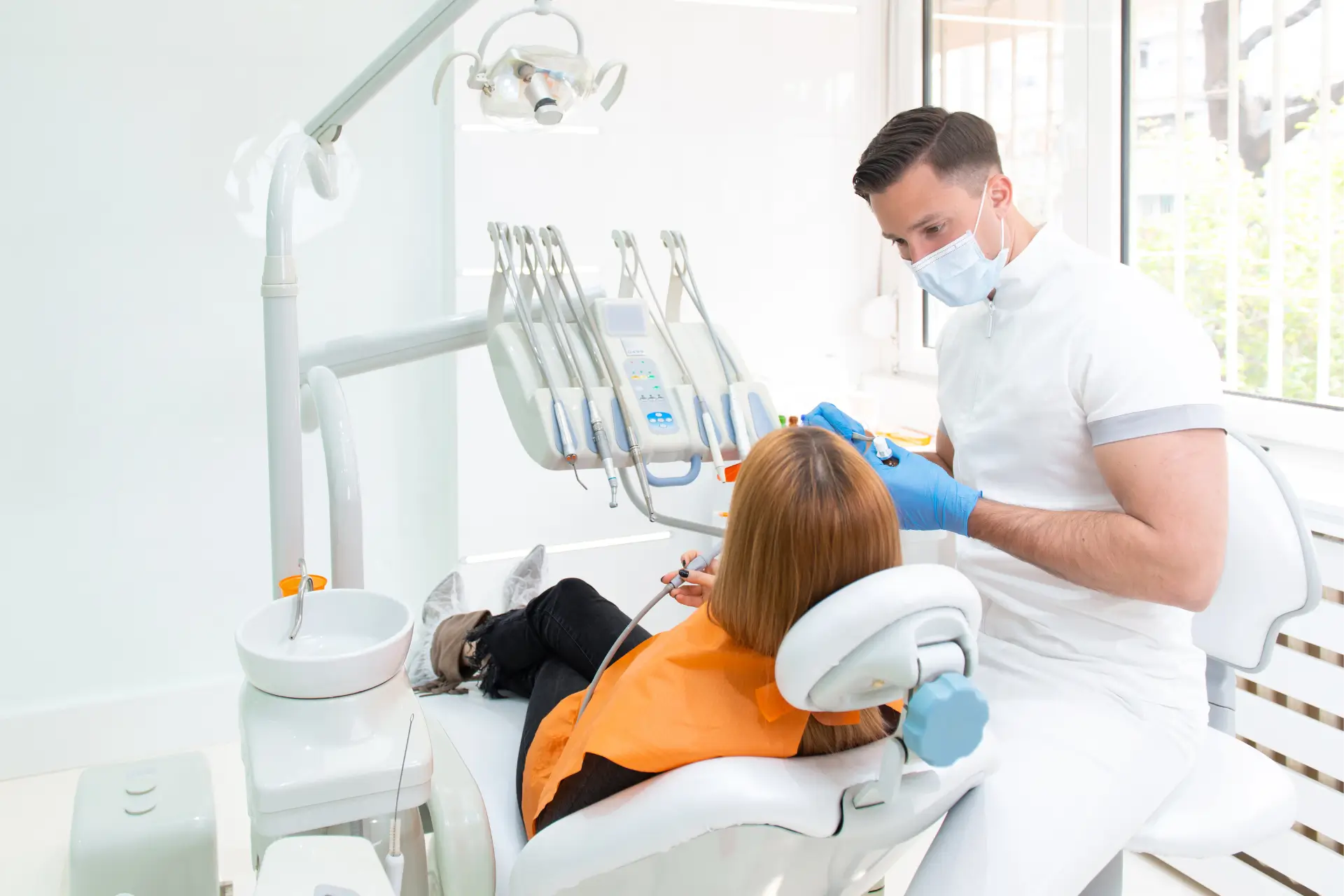
A sharp toothache at 2 a.m. Has a way of making every dental problem feel like a crisis. Patients often use the same words for very different situations. They say they need a root canal when what they really need is urgent relief from an abscess. They call with a chipped tooth and assume it can wait, only to discover the crack runs below the gumline. Others hear the phrase "dental emergency" and picture dramatic trauma, even though many true emergencies begin as something quieter, such as pressure in a tooth, swelling in the cheek, or a crown that fell off the day before a flight.
The confusion is understandable. A root canal is a specific procedure. Dental emergency treatment is a category of urgent care. Sometimes the two overlap. Sometimes they do not. Knowing the difference helps you act faster, ask better questions, and avoid the common mistake of waiting too long because the pain comes and goes.
The shortest way to frame it is this: a root canal treats infection or inflammation inside the tooth, in the pulp and root canals. Emergency dental treatment addresses urgent problems that cannot safely wait, which may include infection, trauma, uncontrolled pain, swelling, bleeding, or damage to a tooth or restoration. An emergency visit may lead to a root canal, but it may also lead to drainage of an abscess, temporary stabilization of a broken tooth, a prescription for infection control, re-cementing a crown, or extraction if the tooth cannot be saved.
The key difference comes down to diagnosis
Patients tend to think in terms of symptoms. Dentists think in terms of causes. That gap matters.
A root canal is recommended when the soft tissue inside the tooth has become irreversibly inflamed or infected. This usually happens because deep decay reaches the pulp, a crack allows bacteria inside, repeated dental work stresses the tooth, or trauma damages the nerve. The procedure removes diseased pulp tissue, disinfects the canals, and seals the inside of the tooth so it can remain in place and function.
Dental emergency treatment starts with the urgency of the situation rather than the exact procedure. If you have severe swelling, trauma from a fall, pain that prevents sleep, bleeding that will not stop, or a knocked-out tooth, the immediate need is rapid evaluation and short-term management. The dentist's first job is to control pain, contain infection, preserve the tooth if possible, and prevent the problem from becoming more serious. The definitive treatment may happen the same day or in stages.
That distinction is why someone can come in for a Dental Emergency and leave with only temporary treatment. The goal on day one is not always to finish everything. Sometimes the goal is to get you safe, comfortable, and stable enough for the final procedure a few days later.
When a root canal is likely part of the answer
Not every toothache means root canal therapy, but some patterns are classic. Lingering sensitivity to hot or cold is one. If ice water causes pain that hangs on for 30 seconds, a minute, or longer after the stimulus is gone, that raises concern for irreversible pulpitis, which is a stage of inflammation that often does not settle down on its own. Spontaneous pain, especially throbbing pain that starts without eating or drinking anything, is another clue. Pain that wakes you up is one dentists take seriously.
Biting tenderness can point to a crack or infection at the root tip. A pimple-like bump on the gum, sometimes called a fistula, may mean an abscess is draining. Darkening of a tooth after trauma can signal nerve damage, even if the accident happened months earlier and the tooth seemed fine at first.
Still, symptoms do not tell the whole story. Some infected teeth barely hurt at all. I have seen patients walk in for a routine exam and learn that an old filling leaked, bacteria reached the pulp, and an abscess formed at the root end without producing much pain. The opposite happens too. A patient may have intense pain from clenching, sinus pressure, or a cracked cusp that does not require root canal treatment at all.
That is why X-rays, percussion testing, pulp vitality tests, and a careful exam matter. The right answer depends on whether the nerve can recover or whether it has crossed the point where preserving the tooth now means treating the inside of it.
When it is clearly a dental emergency
Some situations should not be watched at home for a few days to "see if it calms down." Dental infections can spread. Trauma can compromise the tooth or surrounding bone. Delay can also change the prognosis. A knocked-out tooth has a much better chance of survival if it is handled quickly.
Here are signs that you need urgent care:
- Swelling in the gums, face, or jaw, especially if it is increasing or associated with fever.
- Severe tooth pain that is persistent, throbbing, or prevents eating or sleeping.
- A broken, cracked, or knocked-out tooth after trauma.
- Bleeding in the mouth that does not stop with gentle pressure.
- Trouble opening the mouth, swallowing, or breathing, which requires immediate emergency medical attention.
That last point belongs in a hospital or emergency department, not a wait-and-see phone call to a dental office. Most dental issues are handled by a dentist, but spreading infection can become a medical emergency.
Why the same tooth can need both
This is where patients often get mixed up. They hear "You need emergency treatment today" and later hear "You also need a root canal," and it sounds like two different diagnoses when it is really one sequence of care.
A common example is the abscessed tooth. Someone develops deep, pulsing pain, then swelling near the gum or cheek. They call because it feels urgent, and it is. The emergency visit might involve an exam, X-rays, opening the tooth to relieve pressure, draining infection if possible, prescribing medication when indicated, and placing a temporary restoration. Once the acute pressure and infection are under control, the tooth still needs definitive treatment. If the tooth is restorable, that often means root canal therapy followed by a crown. If the crack is too deep or too much tooth structure is missing, extraction may be the better option.
Another example is dental trauma. A patient chips or fractures a front tooth in a fall. The first appointment is about stabilizing the situation, checking whether the pulp is exposed, evaluating the root and supporting bone, and protecting the tooth. If the trauma has injured the nerve, root canal treatment may be recommended either right away or after a period of monitoring.
So the better question is not always "Do I need a root canal or emergency care?" Often it is "Do I need emergency care now, and if so, what definitive treatment comes next?"
What symptoms can mislead you
Pain is a poor architect of certainty. It can shout when the issue is modest and whisper when the issue is serious.
Cold sensitivity, for example, does not always mean root canal treatment. Early decay, gum recession, a worn filling margin, and clenching can all produce sensitivity. A cracked cusp can cause sharp pain on release when chewing, and that may require a crown rather than a root canal if the pulp remains healthy.
Heat pain is more concerning, especially when it lingers. So is spontaneous throbbing. Yet even those symptoms are not absolute. A recently placed filling may leave a tooth irritated for a short time. On the other hand, a dead nerve may stop producing the classic hot and cold response altogether, while infection continues around the root.
Swelling is one symptom patients tend to underestimate. If your pain improves because the pressure found a path through the gum, that does not mean the problem resolved. It often means the infection changed form. Temporary relief can fool people into delaying care for another week or two, which is when a manageable issue can Dental Emergency Vitality Dental become much more expensive and much less predictable.
What happens during an emergency dental visit
The first emergency appointment is usually more focused and strategic than patients expect. In television medicine, everything gets solved in one dramatic scene. Dentistry is often more measured.
A dentist will start by locating the true source of the problem. Referred pain can make a lower molar feel like an upper tooth, or vice versa. Once the likely tooth is identified, the office will take X-rays and perform tests to determine whether the problem is pulpal, periodontal, traumatic, or restorative.
From there, the treatment depends on the cause. A loose crown may simply be re-cemented if the underlying tooth is sound. A deep cavity causing irreversible pulpitis may need the tooth opened to relieve pressure or a same-day root canal if time and anatomy allow. A swollen abscess may need drainage. A fractured tooth might receive a temporary build-up or protective covering until a more complete restoration can be planned.
Patients are sometimes disappointed to learn that antibiotics alone are not the answer. Antibiotics can support care in specific cases, particularly when swelling is spreading or systemic signs are present, but they do not remove infected nerve tissue from inside a tooth. If the source remains untreated, the problem usually returns.
Root canal now, root canal later, or no root canal at all
Timing matters, and so does the condition of the tooth.
If the tooth is extremely painful but structurally salvageable, doing the root canal promptly can be the best path. Relief is often faster once the inflamed tissue is removed. For many patients, the fear comes from the name of the procedure rather than the experience itself. Modern anesthesia and technique mean a root canal often feels no more dramatic than having a deep filling done, especially once the tooth is numb.
In other situations, the dentist may begin emergency treatment and complete the root canal at a later visit. This can happen when swelling is significant, when the tooth has complex anatomy, when the appointment starts late in the day, or when the office needs additional imaging or specialist support.
Then there are cases where a root canal is not the best answer. If a vertical root fracture is present, or decay extends so far below the gumline that the tooth cannot be predictably restored, extraction may be more honest than trying to rescue a tooth with poor long-term odds. Good dentistry is not about doing the most treatment. It is about doing the right treatment.
The crown question matters more than many patients realize
One practical detail often gets left out of online discussions. A root canal is rarely the very end of treatment for a back tooth. Molars and premolars usually need a crown afterward because they have lost internal strength and may already have large fillings or decay. Without cuspal protection, the tooth can fracture, sometimes beyond repair.
Front teeth are a different story. If enough natural structure remains, a crown may not always be necessary after root canal treatment. The exact recommendation depends on how much tooth is left, how heavy the bite is, and whether the tooth already has an existing restoration.
This matters for planning because a patient may think the emergency ends once the pain stops. From a biological standpoint, maybe. From a functional standpoint, not always. The final restoration is what helps the tooth survive chewing forces over the long term.
Cost, urgency, and the risk of waiting
People delay dental treatment for many reasons, and cost is a real one. But waiting has a cost too, and it is often higher than patients expect.
A small cavity might be treated with a filling. Leave it long enough, and the same tooth may need a root canal and crown. Wait beyond that, and it may become non-restorable, requiring extraction and replacement. The financial jump from filling to root canal to implant is not small. Neither is the time involved.
Urgency is not only about money. It is also about preserving options. A tooth with early nerve irritation may still be monitored or restored conservatively. Once infection destroys more structure or a crack propagates, the treatment choices narrow. That is one reason dentists push for evaluation when symptoms first change instead of after several months of intermittent pain.
What you can do before you are seen
Home care is a bridge, not a solution. The goal is to avoid making the problem worse while you get to the office.
- Rinse gently with warm salt water if the area is irritated, unless your dentist advises otherwise.
- Use a cold compress on the outside of the face for swelling or trauma, about 15 to 20 minutes at a time.
- Take over-the-counter pain medication only as directed on the label and only if it is safe for you medically.
- If a tooth is knocked out, hold it by the crown, not the root, and keep it moist in milk or saliva while seeking care immediately.
- Avoid placing aspirin directly on the gum or tooth, which can burn the tissue.
If a crown or filling falls out, keep the area clean and avoid chewing on that side. If a tooth fractures, save any pieces and bring them with you. Even when the fragment cannot be reattached, it helps the dentist judge what happened.
Children, older adults, and a few edge cases
Children add complexity because they may struggle to describe pain accurately. A child who says a tooth "feels funny" may have anything from food packed between teeth to a large cavity near the nerve. Baby teeth matter more than many parents assume. Infection in a primary tooth can affect the developing permanent tooth and can also cause swelling and pain that require prompt treatment. Sometimes emergency treatment for a child means pulp therapy on a baby tooth rather than a traditional root canal, but the principle is the same: remove infection, preserve function, and protect future development.
Older adults often present differently. Teeth with large old fillings may crack in ways that are difficult to see. Gums may recede, exposing root surfaces that decay faster. Medications can reduce saliva, increasing cavity risk. An older patient may not have severe pain even when a significant infection is present, especially if the nerve is already necrotic. That is one reason facial swelling in an older adult deserves serious attention even if the pain seems surprisingly mild.
There are also periodontal emergencies that mimic tooth problems. A deep gum abscess, for example, can create pain on biting and local swelling that feels very much like an infected tooth. The treatment path is different, which again brings the focus back to diagnosis rather than guesswork.
How dentists decide whether a tooth can be saved
Patients usually ask one question before anything else: "Can you save it?" The answer depends on more than whether a root canal is technically possible.
Dentists look at the amount of remaining tooth structure, the depth of decay, crack patterns, bone support, mobility, gum health, bite forces, and whether the tooth can be predictably restored afterward. A tooth that can be cleaned inside but cannot hold a crown well is not automatically a good candidate for heroic treatment. Long-term success requires both endodontic health and structural stability.
This is where judgment matters. Two teeth may both be painful. One may be an ideal root canal case with an excellent prognosis. The other may have a narrow but significant vertical crack that makes saving it unwise. From the patient's side, the symptoms can feel nearly identical. From the clinical side, they are entirely different decisions.
The question to ask when you call the office
When you are in pain, the easiest way to lose time is to self-diagnose too confidently. Instead of calling and saying, "I need a root canal," it is often more useful to describe the symptoms and let the team triage properly. Mention when the pain started, whether it lingers to hot or cold, whether there is swelling, whether you have trauma, whether a filling or crown came out, and whether you are having trouble sleeping, swallowing, or opening your mouth.
That helps the office determine whether you need immediate emergency treatment, a same-day evaluation, or referral to a specialist. It also gives them a better sense of whether they should reserve enough time for possible definitive treatment if the diagnosis becomes clear during the visit.
What this means for your next step
If your tooth is infected, a root canal may be the treatment that ultimately saves it. If your symptoms are severe, sudden, or accompanied by swelling or trauma, you are dealing with a Dental Emergency and need prompt evaluation, whether or not a root canal ends up being the final answer. The two are not competing categories. One describes urgency, the other describes a procedure.
That distinction can spare you a lot of unnecessary suffering. Severe pain, swelling, and dental injuries rarely improve through wishful thinking. Fast diagnosis is what protects both your health and your options. If the problem is small, you find out early and treat it simply. If the tooth needs more, you have moved before the situation closes doors.
When patients get this right, the result is usually straightforward: less pain, lower risk, better odds of saving the tooth, and a treatment plan that fits the real problem instead of the one the internet guessed for you.
Vitality Dental
Address: 1220 Coit Rd #106, Plano, TX 75075
Phone number: +19726454100
FAQ About Dental Emergency
What can the ER do for a tooth?
An emergency room (ER) can manage pain and treat severe infections with medication, but it cannot fix or pull a tooth.
What is considered a dental emergency?
A dental emergency is any oral health problem that involves severe pain, uncontrollable bleeding, or an infection that threatens your health or requires immediate care to save a tooth.
Is there a 24-hour dental service in Plano, TX?
There is no physical dental clinic in Plano, Texas, that stays open with walk-in staff 24 hours a day, but several offices offer 24/7 phone support, late-night hours, or same-day emergency care.