Emergency Dentist Plano, TX for Sports-Related Dental Injuries

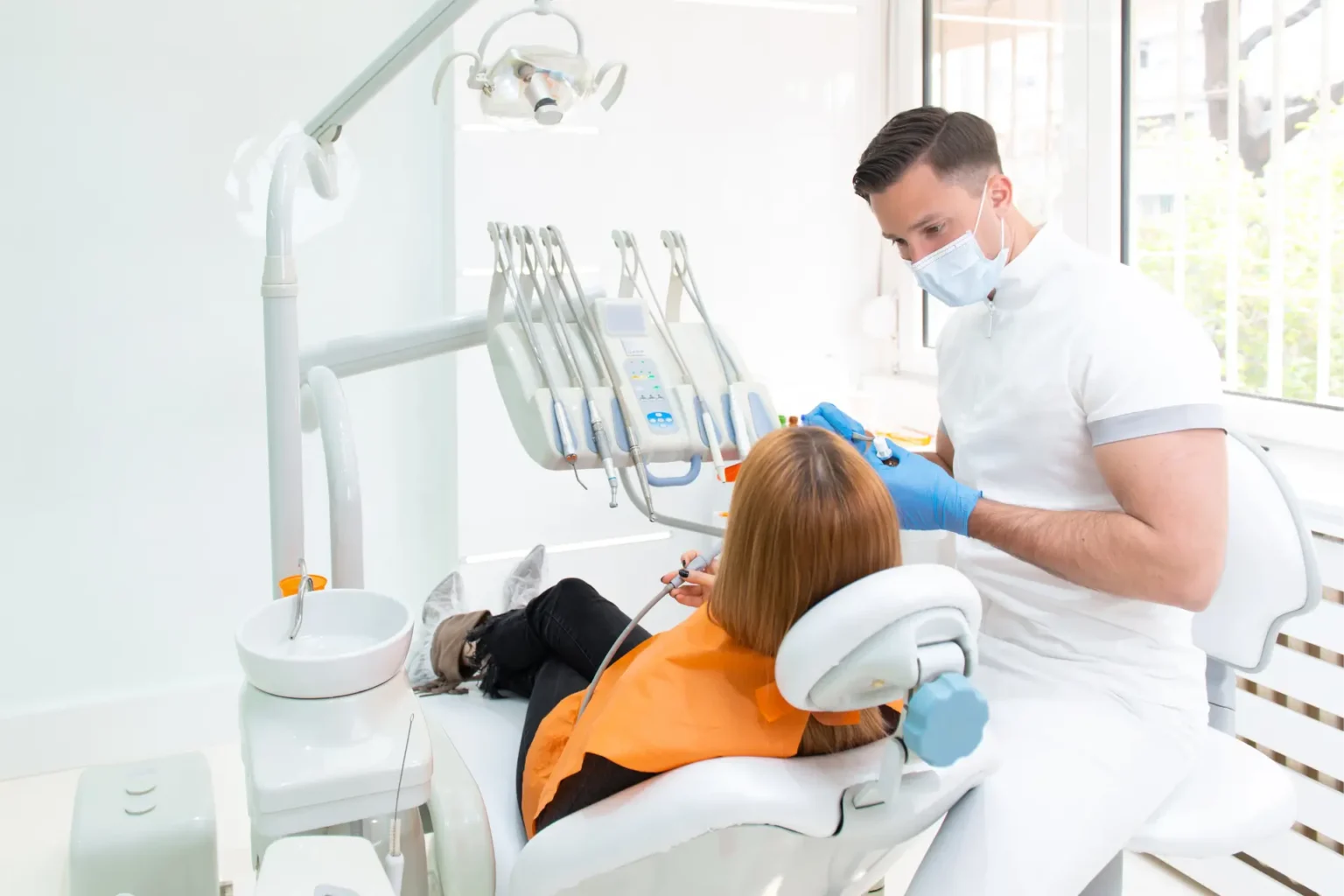
A dental injury during a game rarely happens at a convenient time. It is the hard elbow under a rebound, the collision at second base, the stick that rides up under a face cage, the fall from a bike on a Saturday afternoon. One minute an athlete is focused on the next play, the next minute there is blood in the mouth, a broken tooth in a glove, and a parent or coach trying to decide whether this is a wait-until-Monday problem or a get-help-right-now emergency.
For sports-related dental trauma, timing matters more than most people realize. Teeth, gums, lips, jaw joints, and the bone that supports the teeth can all be injured in a single impact. Some injuries look dramatic but are manageable. Others seem minor at first and turn into complicated, expensive problems because treatment was delayed. That is why access to an emergency dentist Plano, TX families can reach quickly is not just convenient, it is clinically important.
The difference between saving and losing a tooth often comes down to the first hour. The difference between a simple repair and a root canal may come down to whether the nerve was exposed and how long it stayed that way. Even when the tooth itself can be repaired, untreated trauma to the supporting structures can create long-term issues with bite alignment, sensitivity, and stability.
Why sports injuries to teeth are different
A chipped tooth from biting ice is one thing. A tooth hit by a baseball, a knee, or a handlebar is another. Sports injuries involve force, speed, and often a mix of hard and soft tissue damage. The tooth may crack, but so can the root. The gum may bleed, but the bone around the tooth may also be bruised or fractured. A player can walk off the field talking normally and still have a luxation injury, which means the tooth has been displaced or loosened in its socket.
That matters because teeth do not heal the way skin does. Enamel does not regenerate. Dentin can remain sensitive for months. The pulp, which contains the tooth’s nerve and blood supply, may survive or may slowly die after trauma. Sometimes a tooth looks fine on game day and darkens weeks later. That kind of delayed change is not unusual after an impact.
Children and teenagers add another layer of complexity. A younger athlete may have developing permanent teeth, open root tips, or mixed dentition. The right emergency response can preserve the best possible outcome for growth and long-term dental health. The wrong response, even if well-intended, can worsen the injury.
The injuries that need same-day attention
Not every sports mishap needs urgent treatment, but several categories almost always do. A tooth that has been knocked out completely is the clearest example. Permanent teeth have the best chance of survival when they are replanted quickly. Waiting until the next day sharply reduces those odds.
Teeth that are pushed inward, pulled outward, twisted, or suddenly loose after a hit also need prompt care. So do fractures that expose the yellow inner layer or cause sharp pain with air, water, or pressure. Significant lip lacerations may hide tooth fragments. A hit to the chin can injure the jaw joint or crack back teeth that do not show obvious damage at first glance.
There are also injuries that do not look severe but deserve evaluation because athletes tend to minimize them. A goalie who says, “It only hurts when I bite.” A basketball player whose front tooth feels “high” or slightly out of position. A child who refuses cold drinks after a collision. In practice, these details often point to trauma that should be examined promptly.
What to do in the first few minutes
The first response on the field, court, or sideline often shapes the dental outcome. Panic is common, especially when there is blood, but a calm sequence helps.
- Check for head or neck injury first. If there was loss of consciousness, dizziness, vomiting, severe facial swelling, or concern about a jaw fracture, seek urgent medical care immediately.
- Control bleeding with clean gauze or cloth and gentle pressure. If a tooth is missing, find it and hold it by the crown, not the root.
- If it is a permanent tooth that has been knocked out, gently rinse visible dirt with milk or saline if available. If possible, place the tooth back in the socket right away. If that is not realistic, store it in cold milk or inside the cheek of an older, cooperative patient.
- Apply a cold compress to the face to limit swelling, and avoid giving the athlete anything very hot, very cold, or hard to chew.
- Contact an emergency dentist Plano, TX office as soon as possible and explain exactly what happened, when it happened, and whether the tooth is permanent or primary.
A few practical cautions deserve emphasis. Do not scrub the root of a knocked-out tooth. Do not wrap it in tissue, which dries it out. Do not force a baby tooth back into place, because that can damage the developing permanent tooth underneath. If there is a piece of broken tooth, bring it. Occasionally a fragment can be bonded back.
Knocked-out teeth, what changes the outcome
When a permanent tooth is avulsed, meaning completely knocked out, every minute counts. The cells on the root surface are delicate. If they stay moist and the tooth is replanted quickly, the chance of successful healing improves. If the root dries out, the odds drop.
This is where real-world decisions matter. On paper, immediate replantation is ideal. On the sidelines, it may not always be possible. The athlete may be frightened, there may be dirt in the socket, or there may be concern about aspiration in a younger child. In those cases, proper storage becomes the next best step. Milk is widely available and generally better than plain water. Commercial tooth preservation solutions are excellent when present, though few sports bags actually contain them. Saline can work. Dry storage is the one option that consistently hurts outcomes.
Parents are often surprised to learn that baby teeth are handled differently. Primary teeth are usually not replanted. The focus shifts to controlling pain, checking the surrounding tissues, and making sure the injury did not affect the permanent successor or the bone.
Chipped and broken teeth are not all the same
A small enamel chip may be mostly cosmetic. A larger fracture can expose dentin or pulp and become both painful and urgent. The challenge is that two broken teeth can look similar to a non-dentist while needing very different treatment.
If the break leaves a rough but otherwise painless edge, a dentist may smooth it, polish it, or place a bonded filling. If the tooth is sensitive to air or cold, the fracture may be deeper. If there is a visible pink or red spot in the center, the nerve may be exposed. In that situation, immediate protection of the pulp becomes important, especially in younger patients where preserving vitality can be highly beneficial.
Athletes sometimes keep playing after a fracture because the adrenaline masks pain. That is understandable, but it can complicate things. A cracked tooth that might have been stabilized early may split further under continued pressure. A mouthguard can occasionally hold things together for the rest of a game, but it is not treatment.
When a tooth is moved but not lost
Displacement injuries are among the most commonly underestimated sports injuries. A tooth may be intruded, meaning pushed up into the socket, extruded, meaning partially pulled out, or laterally displaced. It may also simply be mobile and tender because the ligaments around it were bruised.
These cases deserve a careful exam and usually dental imaging. The dentist needs to know whether the root is fractured, whether the socket wall is intact, and whether the bite has changed. Treatment may involve repositioning the tooth, splinting it to neighboring teeth for a short period, and monitoring pulp health over time.
The monitoring part matters. Traumatized teeth do not always declare their final status on day one. Follow-up visits are part of good care, not an optional add-on. A tooth may test normal at first and later become non-vital. It may also survive beautifully if managed well from the beginning.
Soft tissue injuries, hidden fragments, and why the lip matters
A split lip draws attention fast, and for good reason. It bleeds heavily and looks alarming. But with sports injuries, a lip laceration often comes with embedded tooth fragments, especially after a front tooth fracture. If a piece of enamel or dentin is missing, the dentist may recommend imaging of the lip or cheek to make sure that fragment is not still inside the tissue.
Leaving a fragment in place can lead to persistent swelling, pain, or delayed healing. This is one of those details that gets missed when the focus stays only on the tooth. A thorough emergency dental exam looks at both.
Cuts inside the mouth usually heal well because oral tissues have good blood supply, but depth, contamination, and location matter. A torn frenum, cheek laceration, or injury near the duct openings for the salivary glands may need more than home care. Significant or gaping lacerations may require suturing by a dentist or physician.
Pain control before the appointment
The safest short-term approach is usually simple. Cold compresses help with swelling. Over-the-counter pain medication may be appropriate depending on the patient’s age, medical history, and what else was injured. Softer foods are usually better for the first day or two. Straw use is not ideal after some injuries or procedures, especially if there is active bleeding or extraction-related care involved later.
What people often want is a trick to “numb it until morning.” There is no household fix that substitutes for evaluation. Topical gels can irritate tissue. Clove oil is unpredictable and can burn the gums if overused. If pain is sharp, escalating, or paired with a loose or displaced tooth, it needs examination rather than improvisation.
How an emergency dental visit typically unfolds
A true emergency visit is usually more focused than a routine exam, but it is not rushed in the careless sense. The dentist needs the mechanism of injury, the exact timing, whether the athlete lost consciousness, and whether the tooth is baby or permanent. That history shapes the treatment plan.
The clinical exam usually looks at more than the obvious tooth. The bite is checked. Adjacent teeth are tested. Gums, lips, tongue, and cheeks are examined for lacerations or fragments. Imaging often follows, because root fractures and socket injuries are not visible to the naked eye.
From there, treatment depends on the injury. A broken tooth may be bonded the same day. A displaced tooth may be repositioned and splinted. A knocked-out permanent tooth may be replanted and stabilized. If the pulp is exposed, the dentist may place a protective material or discuss root canal treatment, sometimes immediately, sometimes after reassessment. There is no one-size-fits-all response, which is why early diagnosis matters.
Families are sometimes disappointed to hear that definitive cosmetic work is not always done on the first visit. That is often good judgment, not hesitation. After trauma, tissues swell, teeth can change over days, and short-term stabilization may need to come before the final esthetic repair. The best result sometimes comes from staging the treatment.
The role of age, sport, and season
A six-year-old soccer player, a high school catcher, and an adult recreational cyclist do not present the same way, even if they all “hit their front tooth.” Age affects root development, compliance, and healing potential. Sport affects the pattern of injury. Season affects urgency in a practical sense, because athletes and parents may be trying to balance treatment with tournaments, school, or travel.
This is where experience counts. There are trade-offs. A custom mouthguard might need adjustment after a splint. An athlete may need guidance on whether it is safe to return to play before a championship weekend. A dentist who routinely sees sports trauma understands the pressure families feel and can still draw a firm line when the risk is too high.
The return-to-play conversation should be individualized. A player with a simple bonded chip may return quickly. A player with a replanted tooth or jaw pain after a collision may need more protection, more healing time, and coordination with a physician if concussion or facial fracture is in the picture.
Prevention is never perfect, but it works
Sports dentistry has one truth that holds up year after year: mouthguards reduce risk. They do not prevent every injury, and they cannot fully overcome a major collision, but they significantly reduce the severity of many impacts.
Store-bought boil-and-bite mouthguards are better than nothing, especially for growing kids who may outgrow a custom guard quickly. Custom-fitted mouthguards, however, generally offer better comfort, fit, and compliance. Athletes wear what they can breathe and speak with. If a mouthguard lives in a gym bag because it feels bulky, it is not doing much good.
For players with braces, the need is even greater. Orthodontic brackets create Emergency dentist Plano, TX additional risk to lips and cheeks during impact. A properly selected mouthguard can reduce that secondary injury and protect the braces investment as well.
The sports with obvious contact are not the only ones to watch. Basketball, baseball, softball, skateboarding, mountain biking, and gymnastics all generate dental emergencies. The common thread is momentum, falls, and unexpected contact.
Signs that should not wait overnight
Sometimes families call because they are trying to decide if the issue can wait until the next day. The answer is usually no if a tooth was knocked out, moved, loosened significantly, or fractured in a way that causes severe sensitivity or visible bleeding from the tooth itself. It also should not wait if the athlete cannot bite normally, the lip or cheek may contain a tooth fragment, or there is increasing swelling.
When in doubt, it is reasonable to ask. An emergency dentist Plano, TX practice used to handling trauma can often tell from the description whether the patient should come in immediately, head to a hospital first, or take specific steps while traveling to the office.
What recovery often looks like
Healing after sports-related dental trauma is not always dramatic, but it is rarely instant. Soft tissues may settle in a few days. Tenderness when biting may last longer. Splints, when used, usually stay in place for a period determined by the type of injury. Follow-up testing and imaging may continue for months.
That timeline can be frustrating. Parents often hope the problem is over once the tooth is repaired. Athletes often want to forget it happened. But trauma has a long tail. Color changes, pulpal complications, root resorption, and bite changes can show up later. Good documentation and scheduled rechecks are part of doing the job right.
Most of the time, with prompt and appropriate care, the outcome is favorable. Even teeth that suffer significant trauma can often be preserved and restored successfully. The key is not perfection on the sidelines. The key is recognizing the urgency, handling the tooth correctly in those first minutes, and getting the athlete to the right dental care without delay.
Choosing the right emergency dental help in Plano
When sports injuries happen, families do not have the luxury of researching for hours. They need a practice that can triage quickly, evaluate trauma carefully, and explain options clearly. Availability matters, but so does judgment. Dental trauma is not just about filling a chip. It is about understanding how impact affects living tissue, growth, occlusion, and long-term function.
That is why many local families look for an emergency dentist Plano, TX office that sees both children and adults, can take diagnostic images promptly, and has a practical approach to urgent treatment. Speed matters, but thoroughness matters just as much.
A sports season can turn on a single awkward collision. A smile can too. The best response is fast, calm, and informed. When a dental injury happens on the field, the right care in the right time window can make all the difference between a temporary setback and a lasting problem.
Vitality Dental
1220 Coit Rd # 106, Plano, TX 75075, United States
+1 972-645-4100
FAQ About Emergency dentist Plano, TX
Will the ER do anything for dental pain?
An emergency department can assess urgent symptoms and provide medical stabilization. Definitive treatment of the tooth usually requires a dentist. Seek emergency medical care for breathing or swallowing difficulty, uncontrolled bleeding, or serious facial injury.
What to do if I have a dental emergency in the middle of the night?
Contact a dentist or after-hours dental service promptly for guidance. If a permanent tooth is knocked out, keep it moist in milk while seeking immediate care. If symptoms suggest a medical emergency, go to an emergency department.
What qualifies as a dental emergency?
A knocked-out permanent tooth, severe or persistent tooth pain, a significant dental injury, or swelling may require urgent dental assessment. Call a dentist to describe the symptoms and determine timing. Uncontrolled bleeding or difficulty breathing or swallowing requires emergency medical care.